
In search of the real d’Artagnan in Lupiac, Gascony
There’s nothing quite like stepping into the world of your characters. For my novel, that meant going in search of the real man behind the legend – Charles de Batz de Castelmore d’Artagnan, the 17th century musketeer immortalised by Alexandre Dumas in The Three Musketeers. A visit to his home village of Lupiac in Gascony was an absolute must.
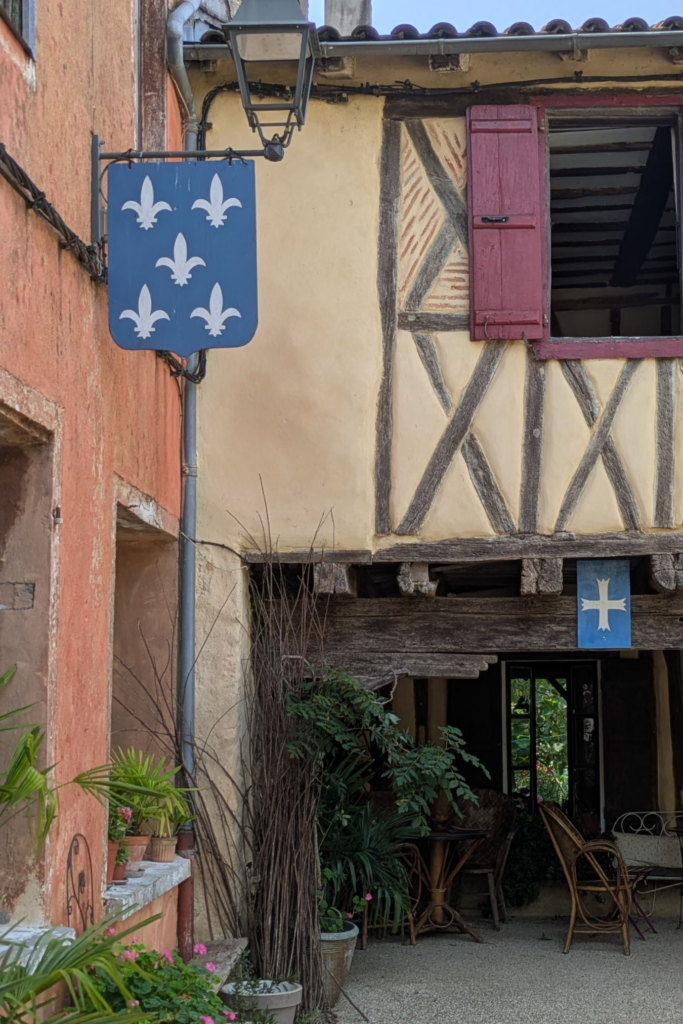
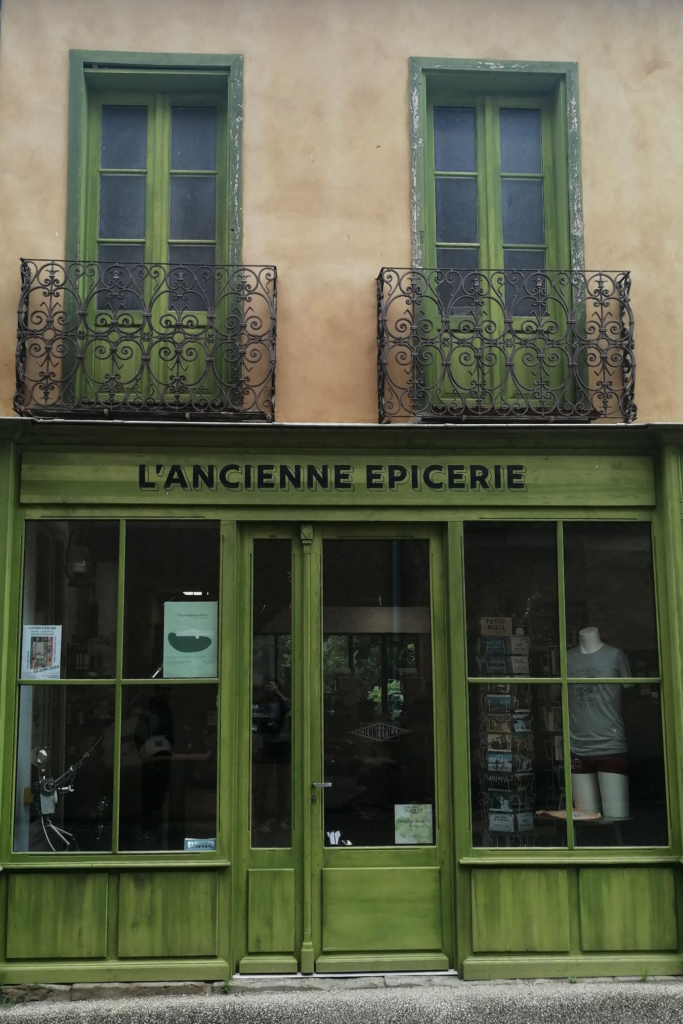
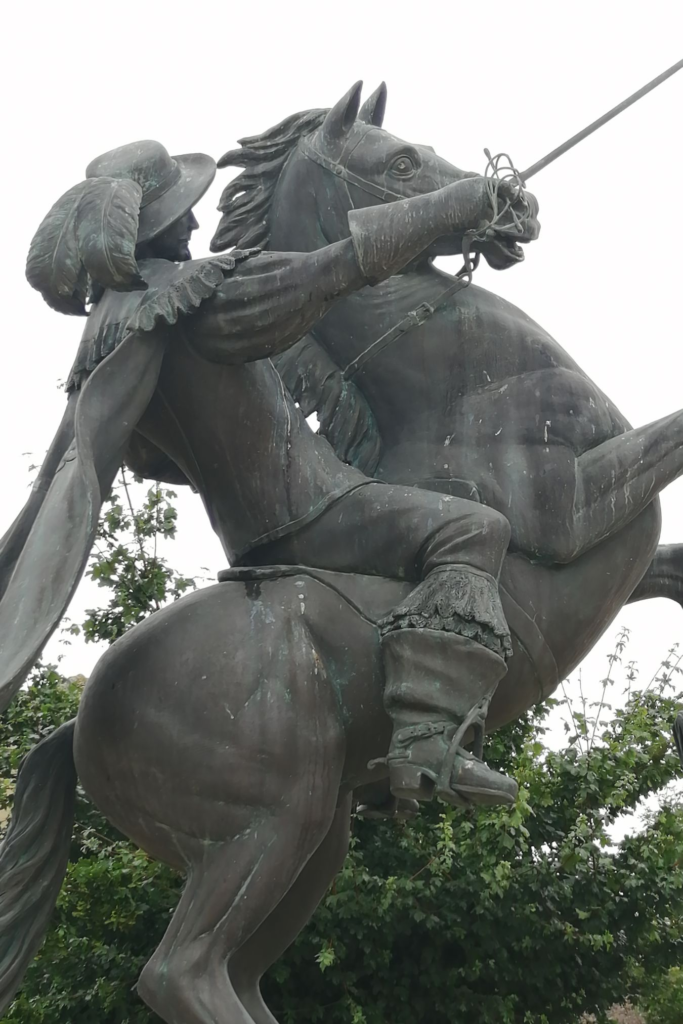
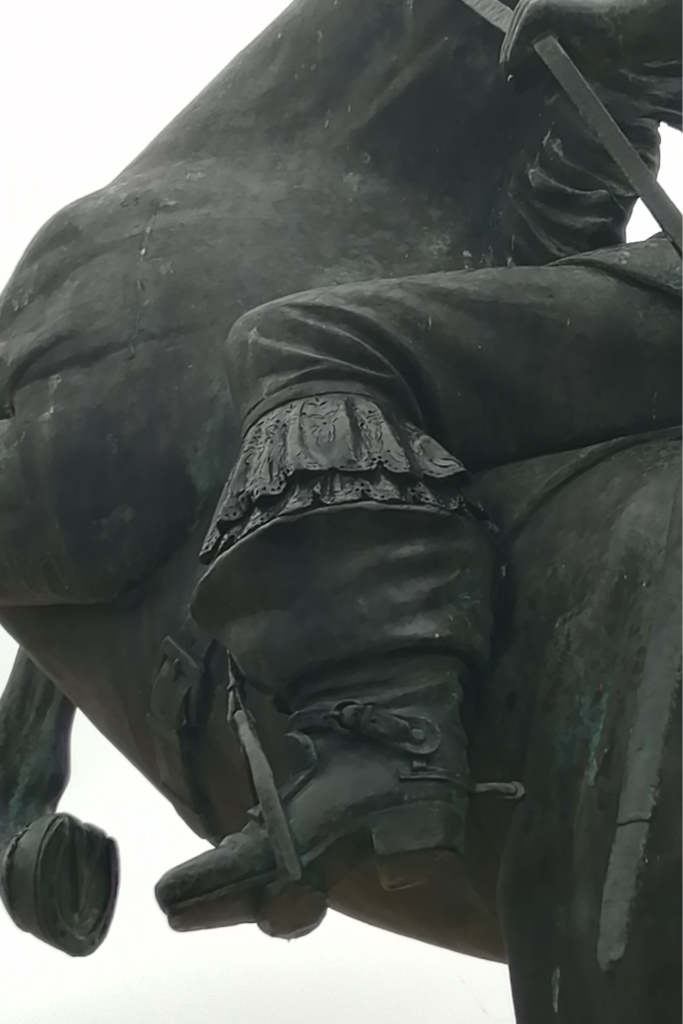
Lupiac is the quintessential Gascon village: a pretty square lined with half-timbered houses and dominated by an impressive statue of d’Artagnan on horseback. It feels like stepping back in time the moment you arrive.
A trip to the Musée d’Artagnan
The d’Artagnan museum is housed in the beautiful 15th century Chapelle Saint-Jacques, a classified historic monument that once welcomed pilgrims on the Chemin de Saint-Jacques-de-Compostelle (Way of Saint James).
The visit includes an audio-guided tour, a captivating short film and displays of reproduced documents, portraits and artefacts that trace what is known of d’Artagnan’s remarkable life. Born Charles de Batz de Castelmore around 1611–1615, he rose through the ranks to become Captain-Lieutenant of Louis XIV’s Musketeers – the Sun King’s elite guard.
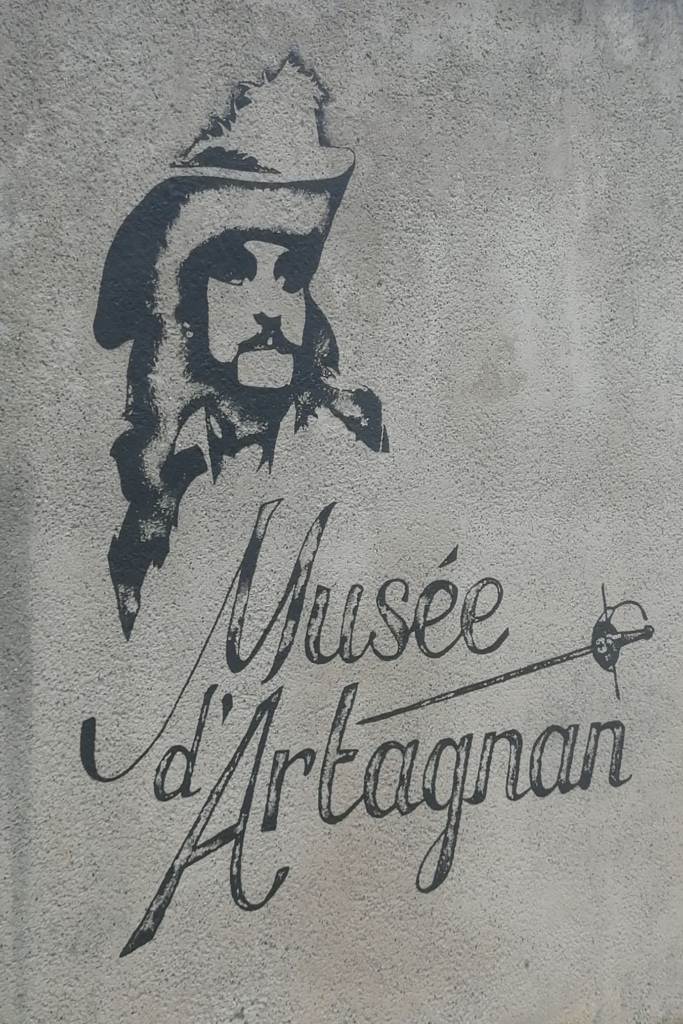
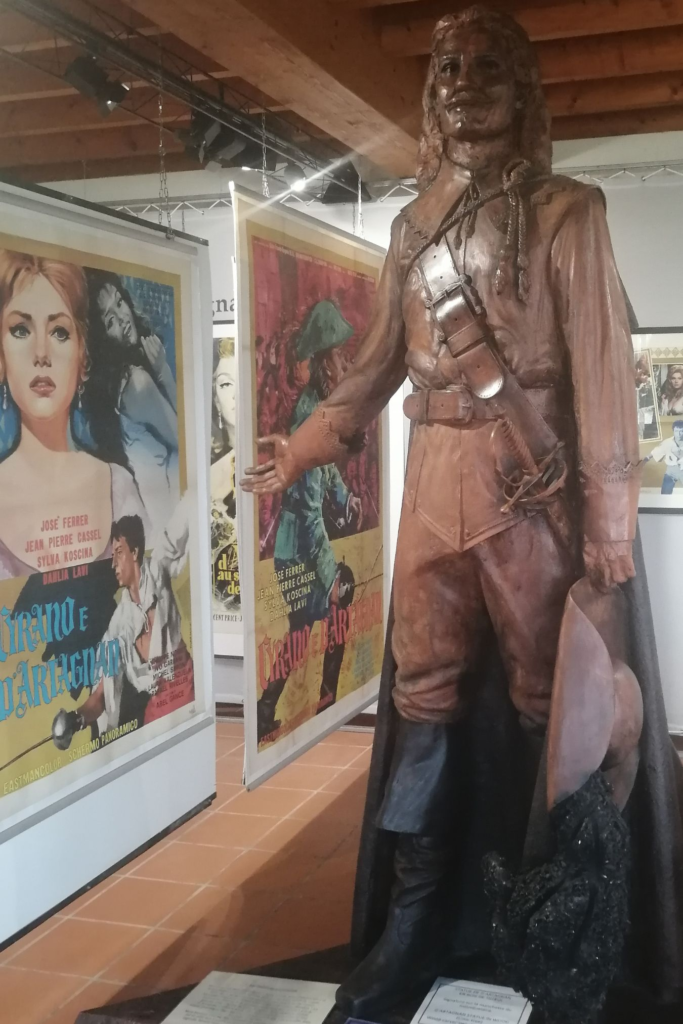
What I loved most was how the exhibition cleverly contrasts legend with reality, showing exactly how Dumas drew inspiration from real memoirs and historical fragments. Since my novel’s protagonist is a costume designer, I found myself imagining her studying every detail of the period garments and lingering over the movie posters that span decades of d’Artagnan adaptations.
Timing it perfectly: the annual d’Artagnan festival
I was lucky enough to time my visit with the annual d’Artagnan festival in August, and it was pure magic.
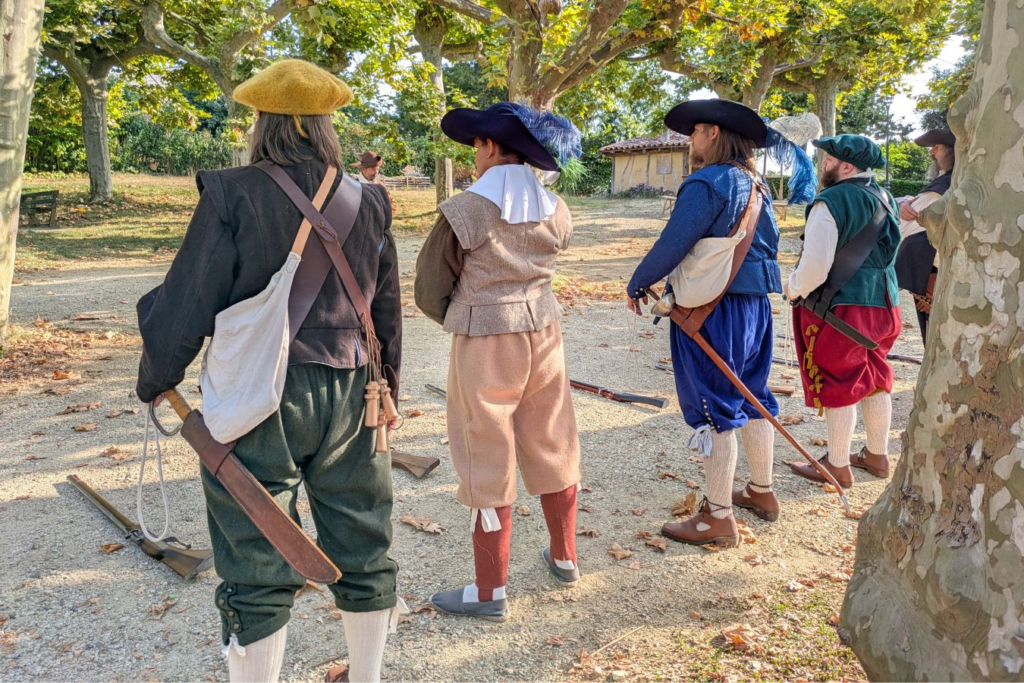
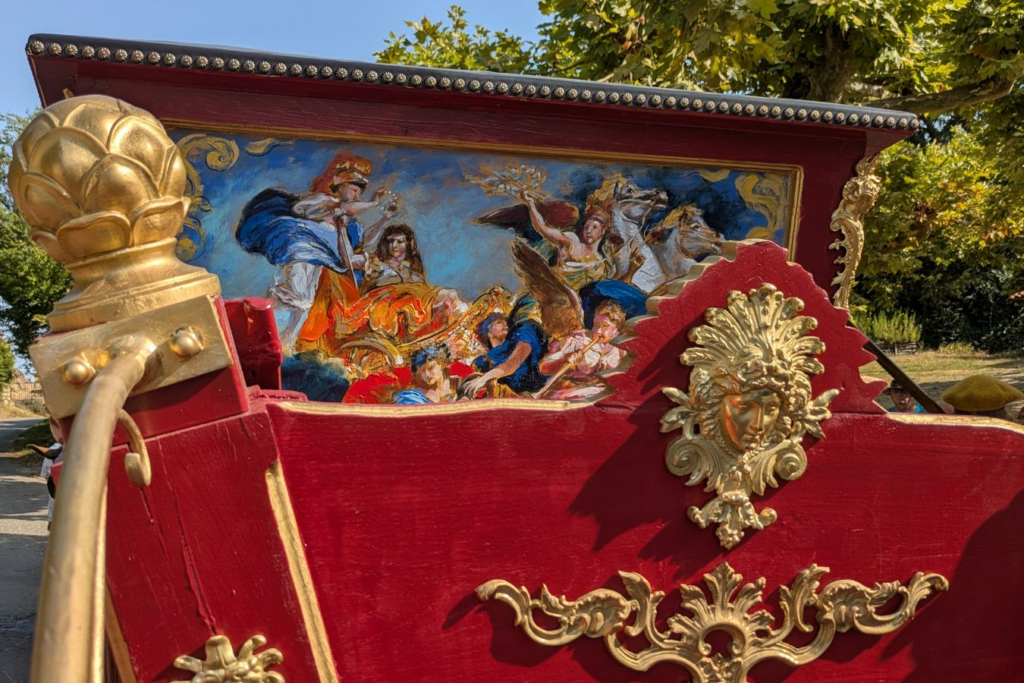
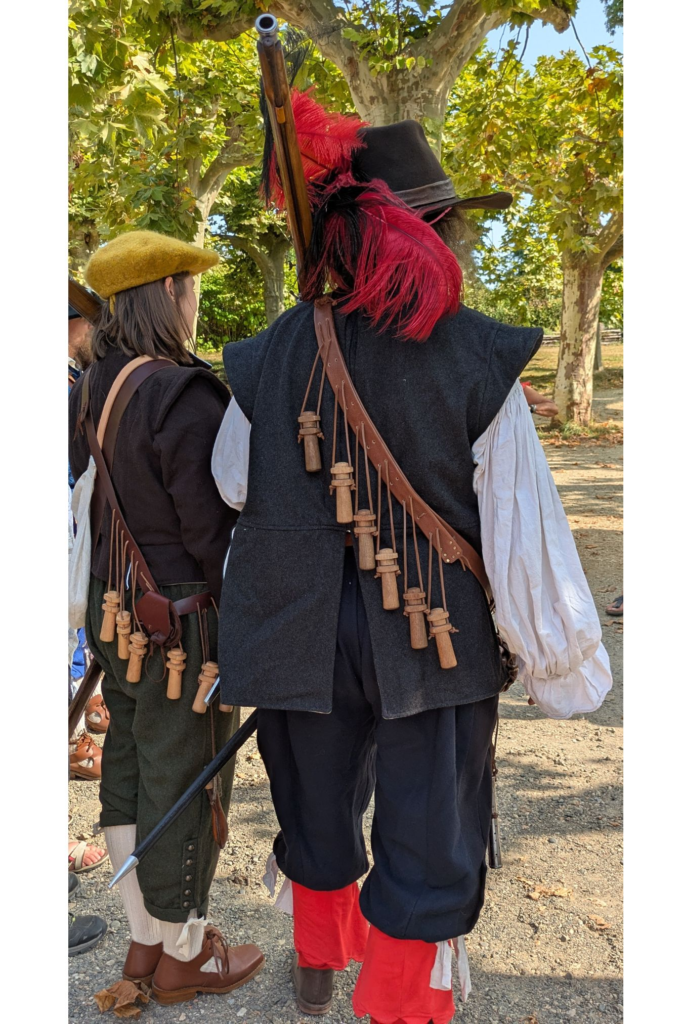
Musketeers in full period costume paraded through the streets, 17th century peasants demonstrated daily life of the era, and the highlight for me was the newly reconstructed de Batz family carriage, which took visitors on scenic rides through the Gascon countryside.
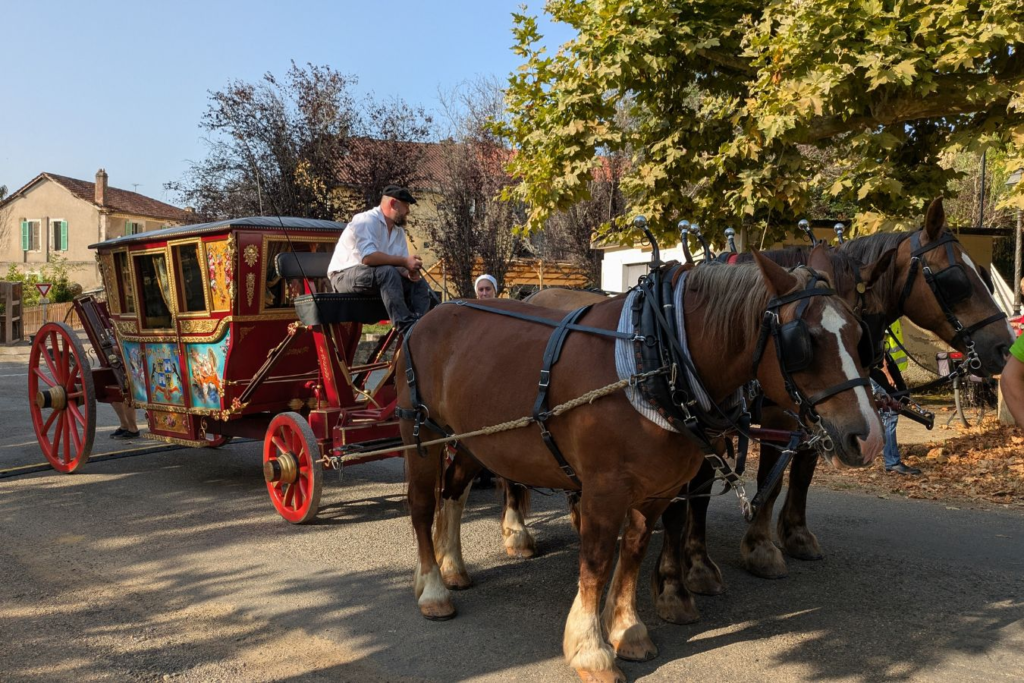
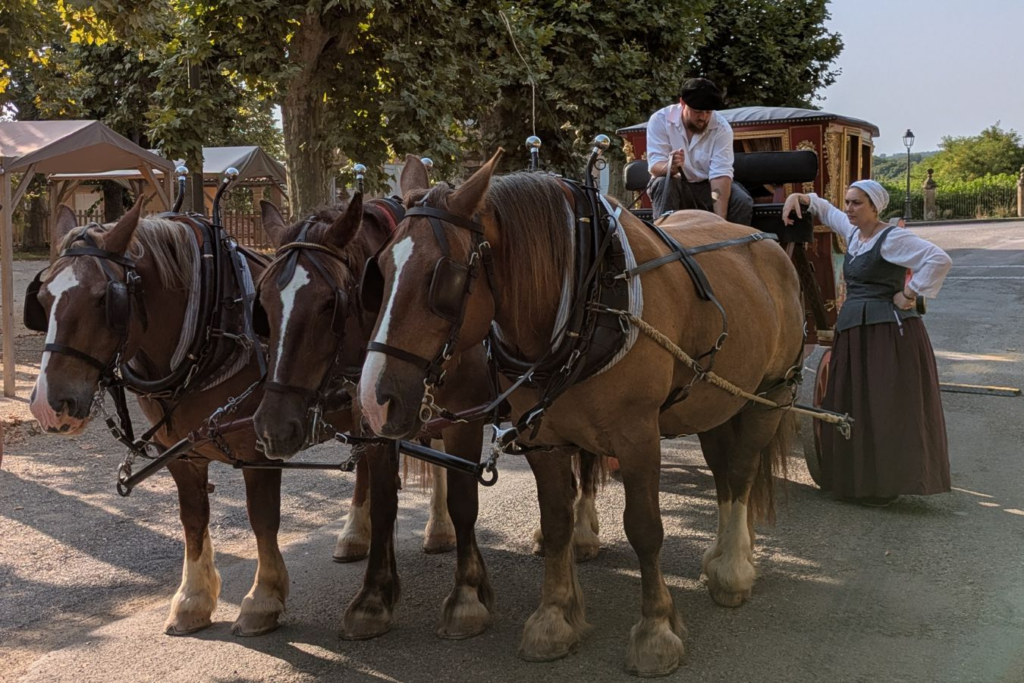
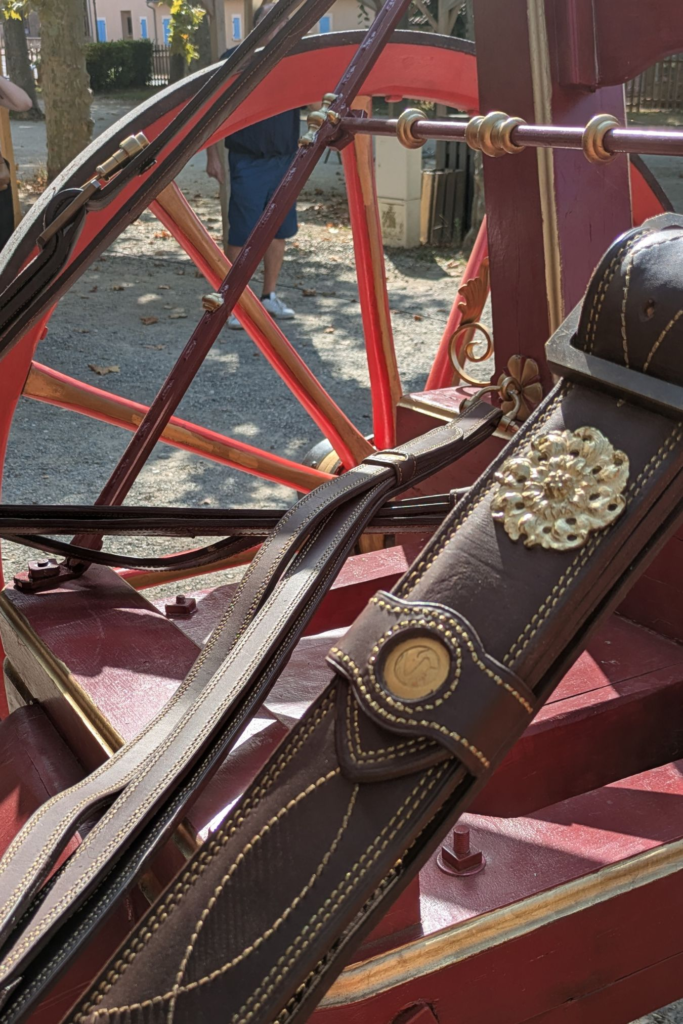
I was fortunate to ride in it myself – pulled by three magnificent horses. The carriage is a real work of art and a wonderful collaborative project: students from the Lycée Agricole de Mirande crafted the leather harnesses and straps (which act as suspension, making the ride surprisingly smooth for passengers, if not for the driver!). Wood carvings came from students at the Lycée des Métiers d’Art du Bois in Coarraze, and local artist Yves Duffour painted the beautiful period-style tableaux on the exterior.
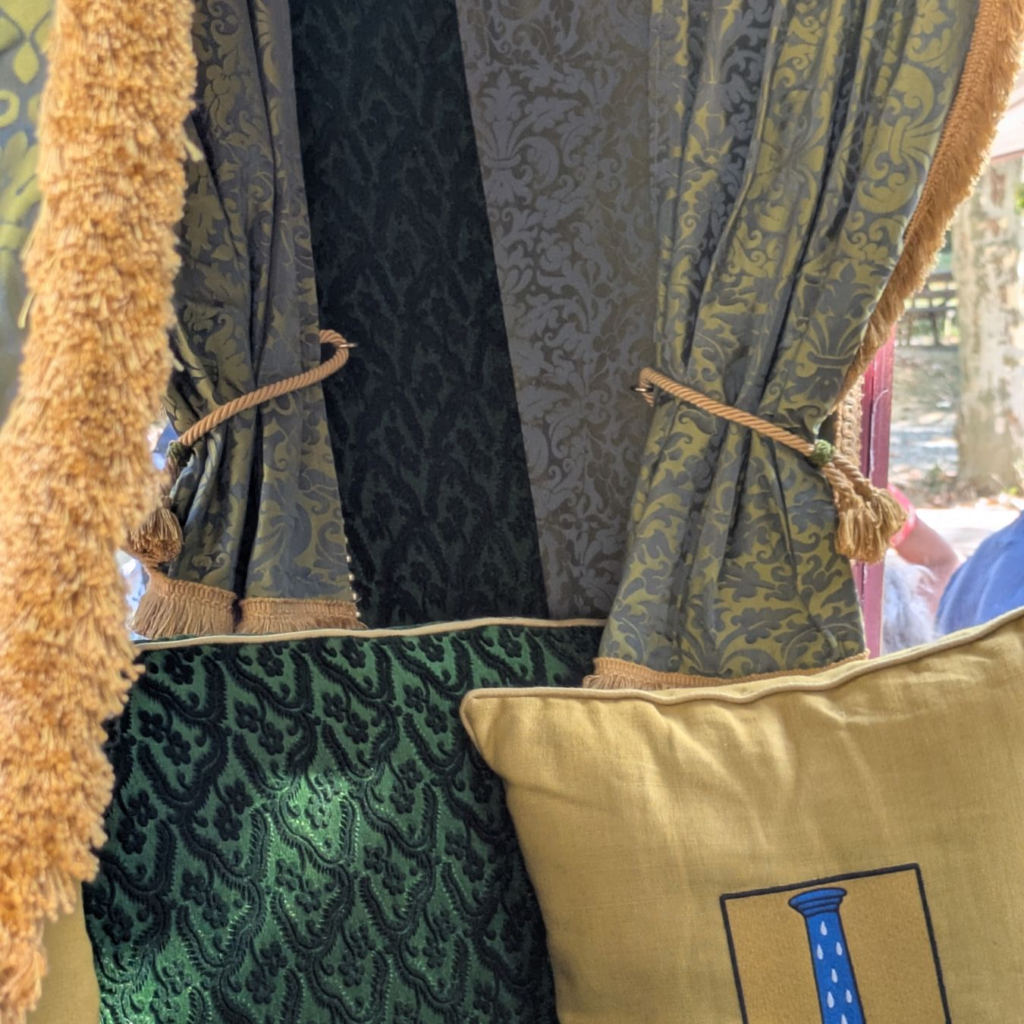
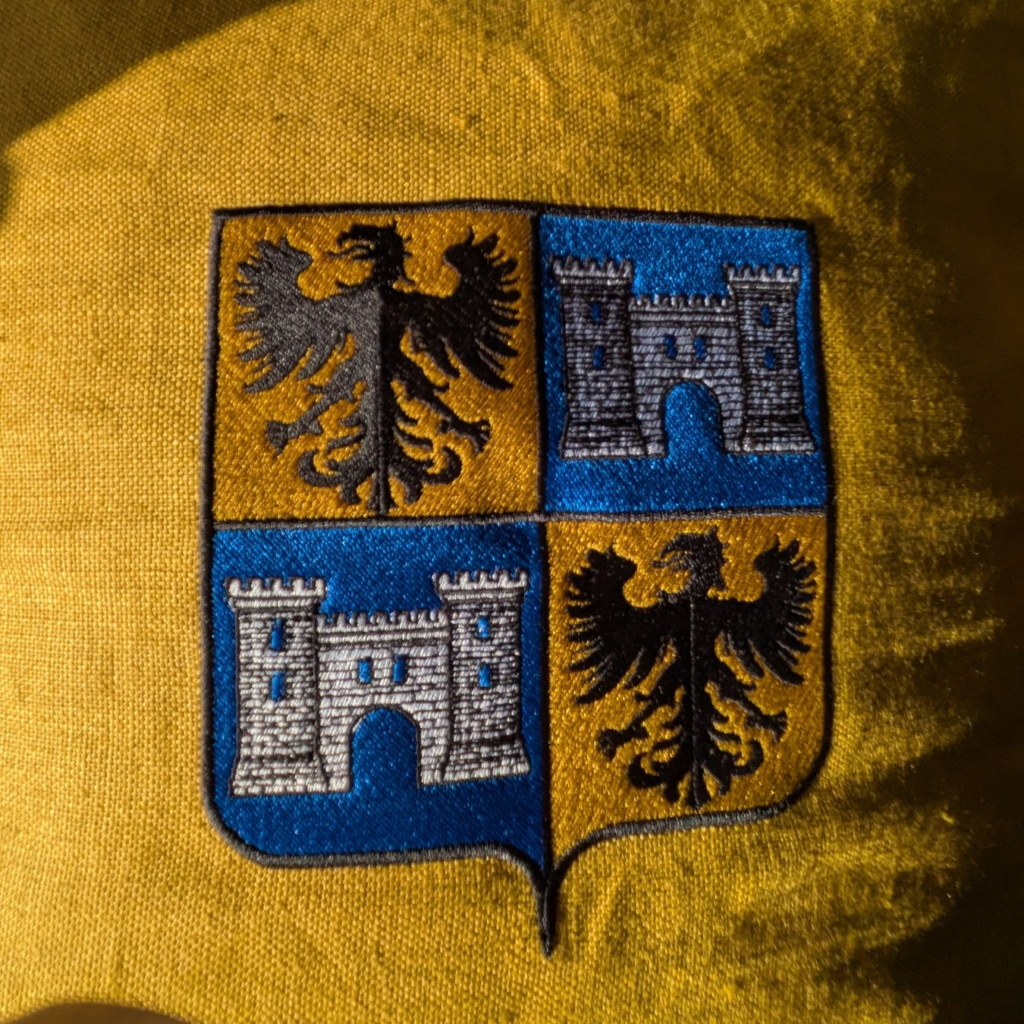
Inside, it’s pure opulence – rich green velvets, crest-emblazoned cushions, and elegant Córdoba-style leather panels on the doors and ceiling. Riding through the rolling Gascon hills in that carriage gave me such vivid sensory details for an important scene in my novel.
Beyond the village
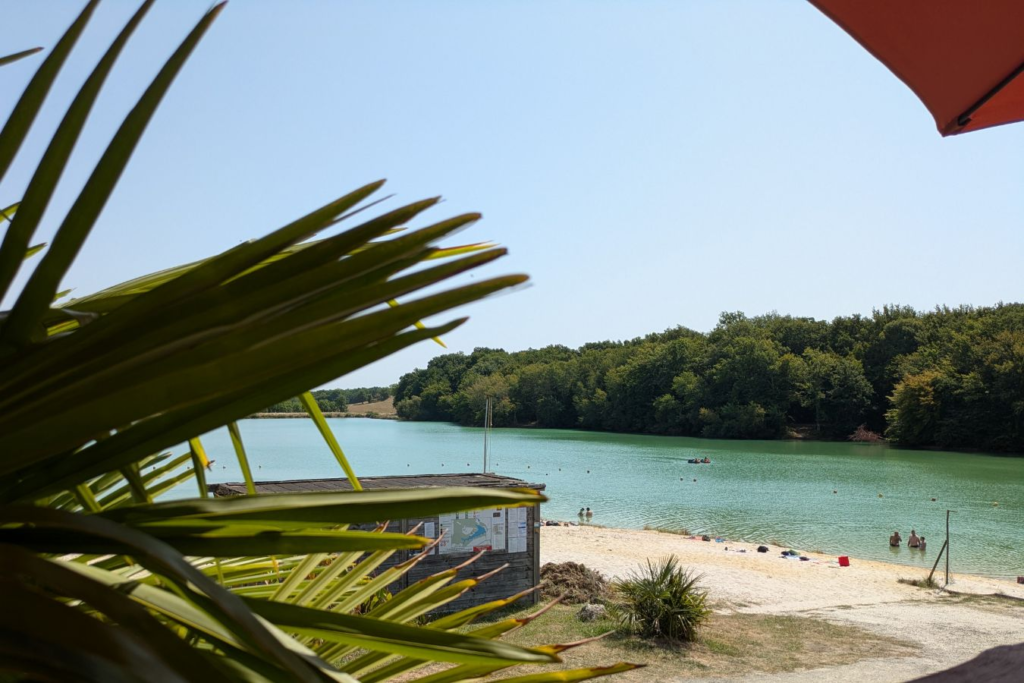
The countryside around Lupiac is every bit as beautiful as the village itself. On that hot August day, nothing felt better than a refreshing dip in the nearby lake followed by a relaxed lunch at the guinguette (the lively lakeside restaurant).
What this trip brought to my novel
This visit beautifully blurred the line between history and legend. The festival costumes sparked fresh ideas for my protagonist’s designs, the carriage ride brought a key scene to life in my mind, and the warm, authentic atmosphere of Lupiac added rich layers of detail I could never have invented from my desk.
All in all, it was an incredibly successful trip – the kind that makes research more fun than it should be.
If you’re a history buff, a musketeers fan, a writer seeking inspiration, or simply on the lookout for an authentic experience, Lupiac is worth a visit, especially during the annual festival in August.
Hilary McGrath is an Irish writer living in Gascony, France. She writes about the places, flavours and moments that find their way into her fiction. To hear when a new blog post goes live, join her newsletter here.