
I have a confession: ask me what happened in a book I read a couple of years ago and I’ll probably draw a blank. The plot twists, character names, even the climax – all faded.
But ask me about the setting – what it felt like to be there – and it comes rushing back: the heavy humidity of a North Carolina marsh, the sterile silence of the International Space Station, or the sheer isolation on the rocky cliffs of Skellig Michael.
For me, setting isn’t just a backdrop. It’s often the true protagonist. I read to travel without leaving my couch, and these are the places that still live rent-free in my head.
The Mysterious World of the Marsh
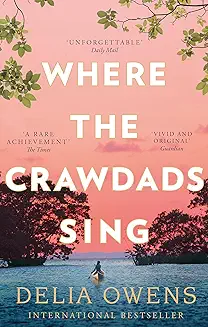
In Delia Owens’ Where the Crawdads Sing, the plot may be a murder mystery, but what lingers for me is the sensory immersion in the North Carolina coastal marshes. I don’t replay the trial – I remember Kya’s boat trips to Jumpin’s store, the feathers and plants she collects and sketches, the herons gliding through still waters, and the quiet pulse of the marsh itself. The marsh doesn’t just host the story; it is the story.
The Wonder of Our World
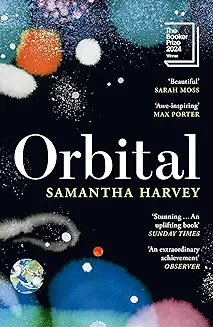
I’ve spent a lot of time in space lately – thanks to Samantha Harvey’s Orbital. There’s almost no traditional plot, yet I loved every page because it placed me in the cupola of the International Space Station, watching Earth roll by again and again. Seeing our little planet from a distance makes its fragile beauty impossible to ignore.
The Intriguing Universe
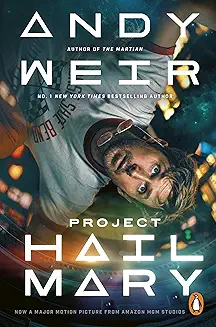
Andy Weir’s Project Hail Mary took me even farther from home – all the way to the Tau Ceti solar system. The stakes are high in this novel, but what stayed with me is the vastness of space and the surreal colours and patterns of the alien planet Erid. As Rocky would say – ‘amaze, amaze, amaze’. The story left me with a profound sense of how small – and how precious – our lives are against the cosmic backdrop.
The Wild Coast of Ireland
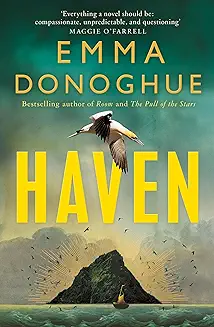
Ireland is often romanticised through a 19th or early 20th century lens of plucky fist fighters and village drunks. Emma Donoghue’s Haven takes us much further back – to 7th century Skellig Michael, a windswept rock off the Kerry coast where three monks attempt to found a monastery in complete isolation. The novel pulses with the sound of gales, the crash of choppy seas, and the raw hardship of that haunting place. It feels utterly authentic and unforgettable.
Brutal and Beautiful Alaska
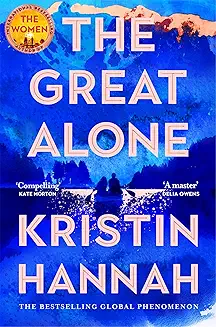
In Kristin Hannah’s The Great Alone, the Alaskan wilderness is as much an antagonist as any character. The Allbright family moves into a remote shack, where survival demands constant vigilance. Summer brings magical purple mountains, but winter delivers cracking ice, howling wolves, bears, and – most terrifying of all – the endless dark. Nature here punishes every mistake without mercy.
The Vines of Burgundy
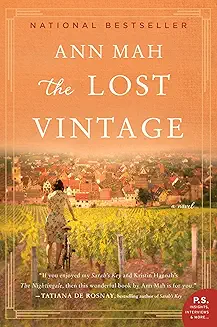
Ann Mah’s The Lost Vintage is set among the prestigious vineyards of Burgundy. It weaves in the region’s hidden wine cellars and the hardships of Nazi-occupied France.
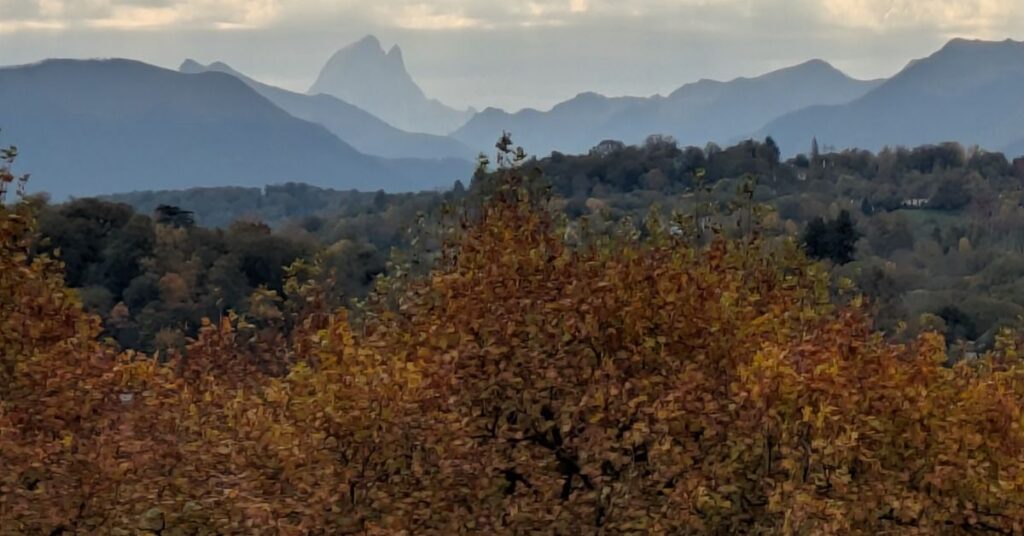
Reading this novel made me reflect: people often picture France as Paris or the Riviera. But Burgundy – or Gascony, where I live and where I’ve set my own novel – feels far less mapped, more rugged and untamed. I want my readers to feel the fierce summer heat of the south-west, hear the lively bandas playing at village festivals, smell warm apple croustade fresh from the oven, see endless fields of sunflowers, and understand why we say Le Bonheur Est Dans Le Pré – happiness really is in the meadow.
Why Settings Implant Themselves In Our Brains
Why do I forget plots so easily but remember places so vividly? I think it’s because settings speak directly to the senses in a way dialogue and action rarely can. I may not recall exact conversations, but I can still hear the wind whipping along the Irish Atlantic coast or feel the vast silence of space.
Books don’t just tell stories – they offer temporary homes. When I finally close the cover and look up, bleary-eyed, I often see my own world with fresh eyes (much like Dorothy seeing Kansas in colour).
What about you? Are you a plot-driven reader or do certain settings stay with you long after the final page? Join my newsletter and tell me which book worlds you’ve never really left.
Hilary McGrath is an Irish writer living in Gascony, France. She writes about the places, flavours and moments that find their way into her fiction. To hear when a new blog post goes live, join her newsletter here.