
Real Life Just Handed My Novel an Incredible Plot Twist
As a writer, I spend my days inventing worlds. But every now and then, history, which might seem fixed and unchangeable, decides to surprise us back.
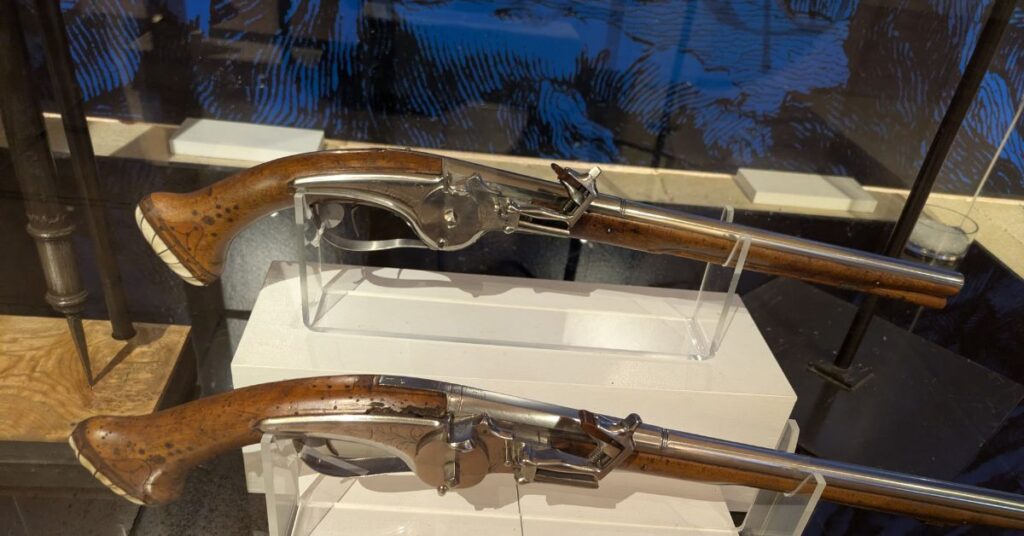
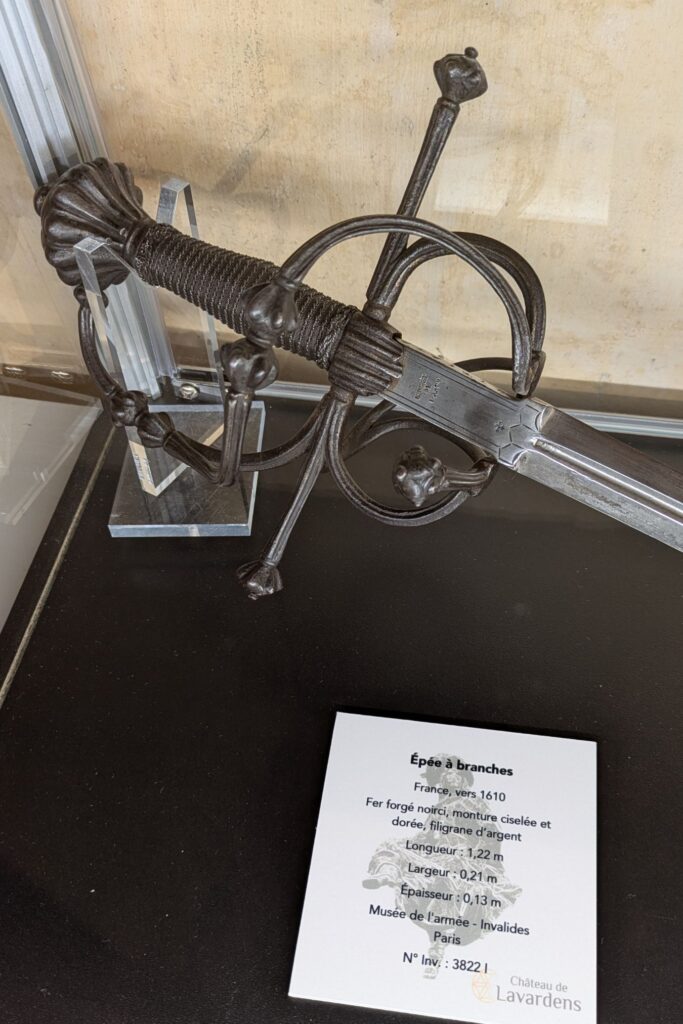
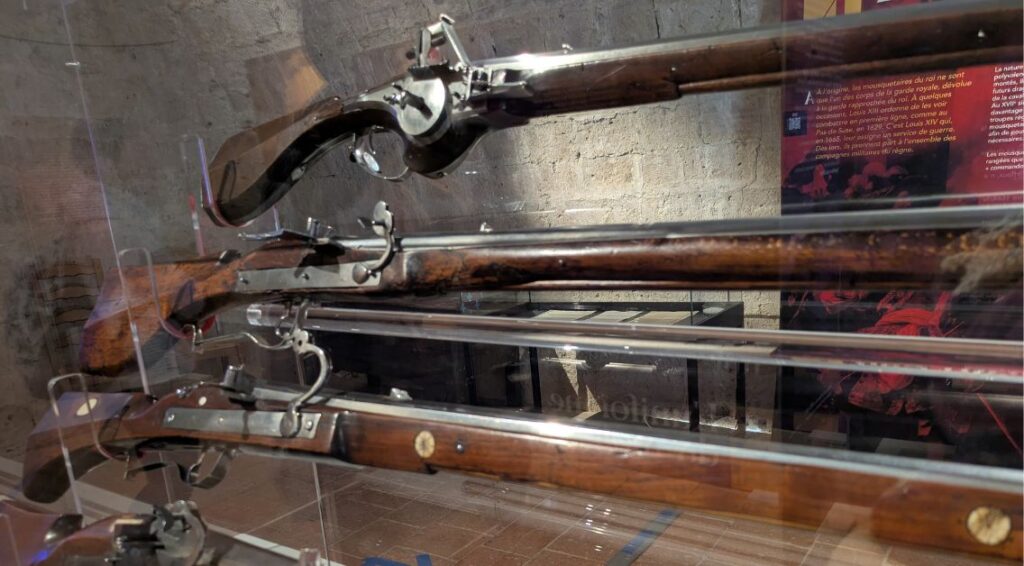
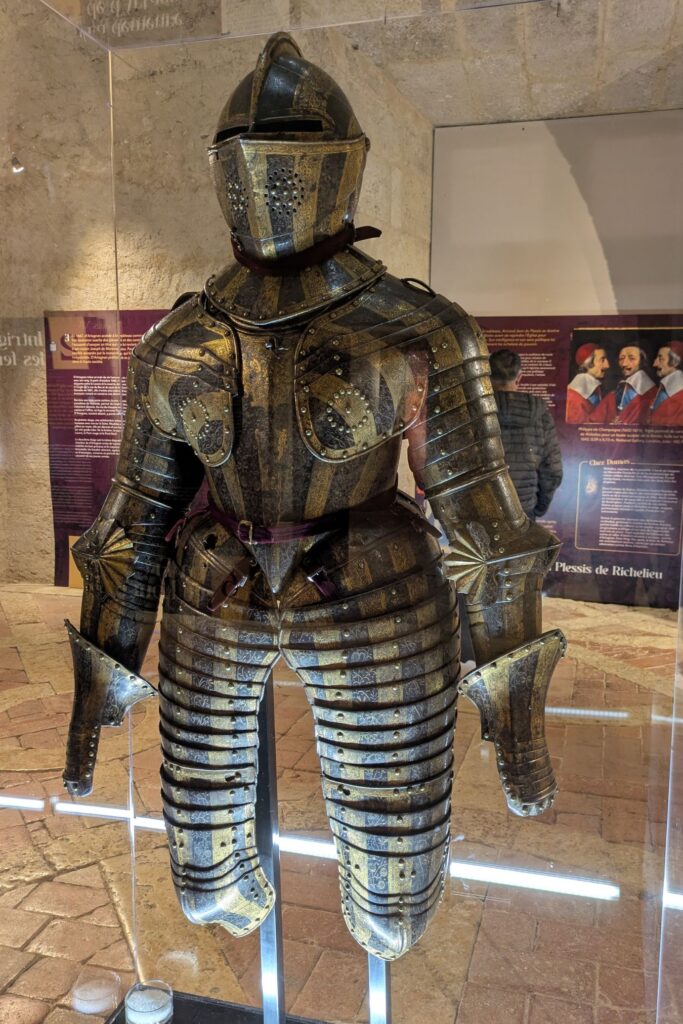
A skeleton has been discovered beneath the floor of the St Peter and Paul Church (Petrus en Pauluskerk) in Maastricht, Netherlands – and it may belong to none other than Charles de Batz de Castelmore d’Artagnan, the real 17th century French musketeer who inspired Alexandre Dumas’ iconic hero.
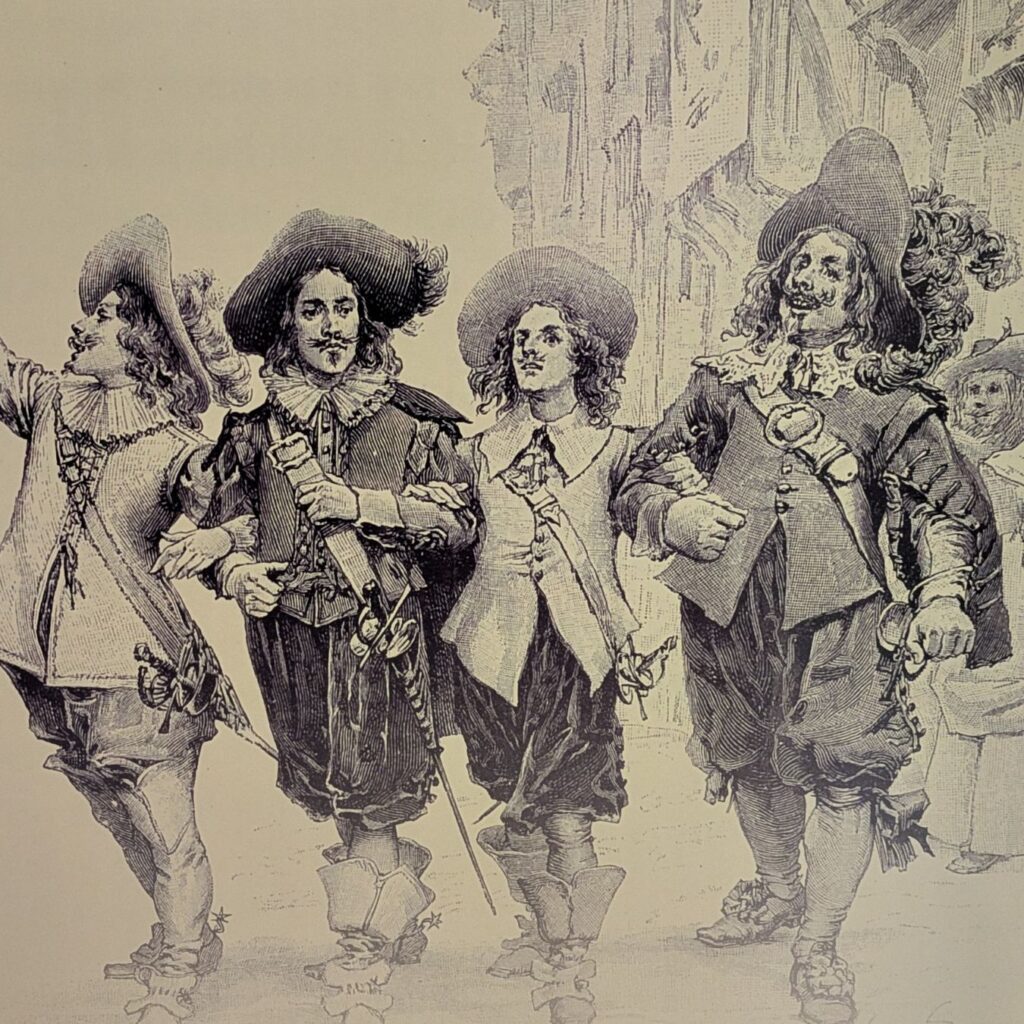
It is well known that d’Artagnan, captain-lieutenant of Louis XIV’s musketeers, was killed by a musket ball on 25 June 1673 while leading troops during the French siege of Maastricht in the Franco-Dutch War.
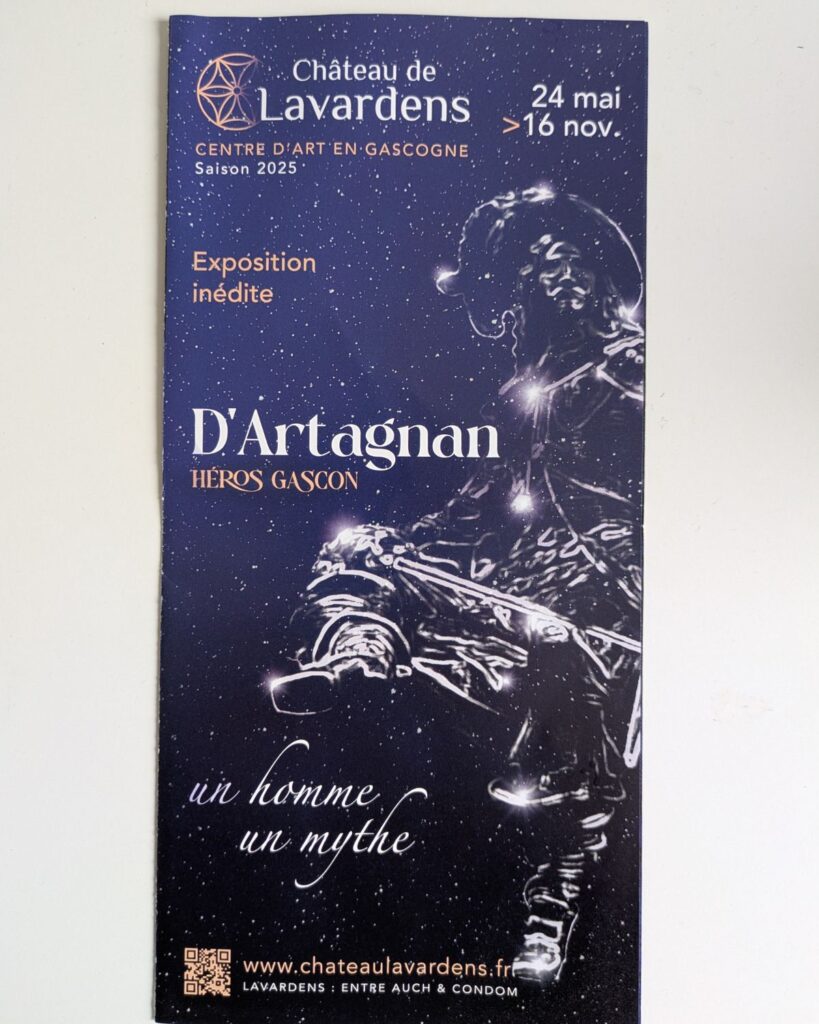
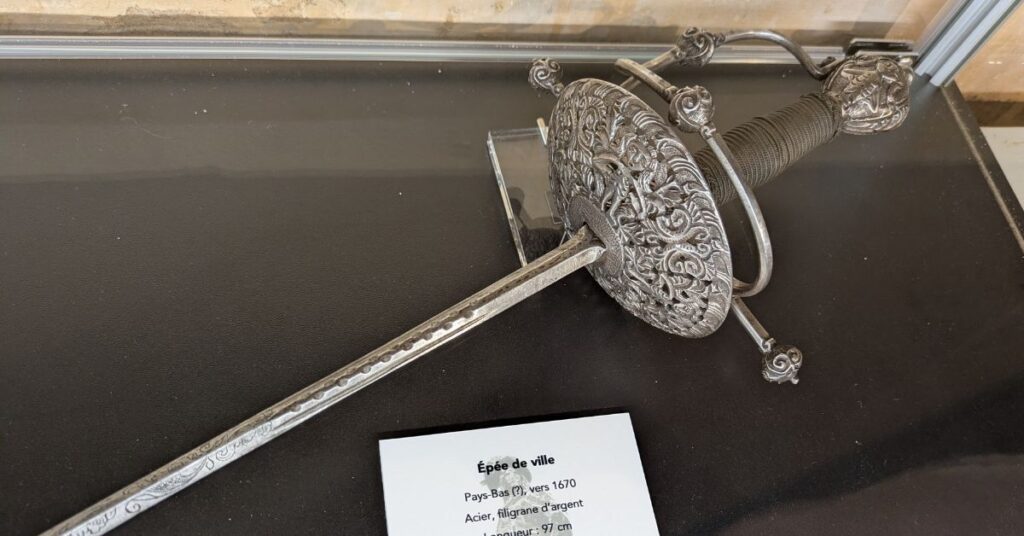
Last year, I visited the excellent ‘D’Artagnan Héros Gascon’ exhibition at Château de Lavardens in the Gers department. The exhibition noted that after his death, ‘The King held a mass in memory of d’Artagnan; his body was watched over by his two cousins and buried in a location still unknown to this day.’
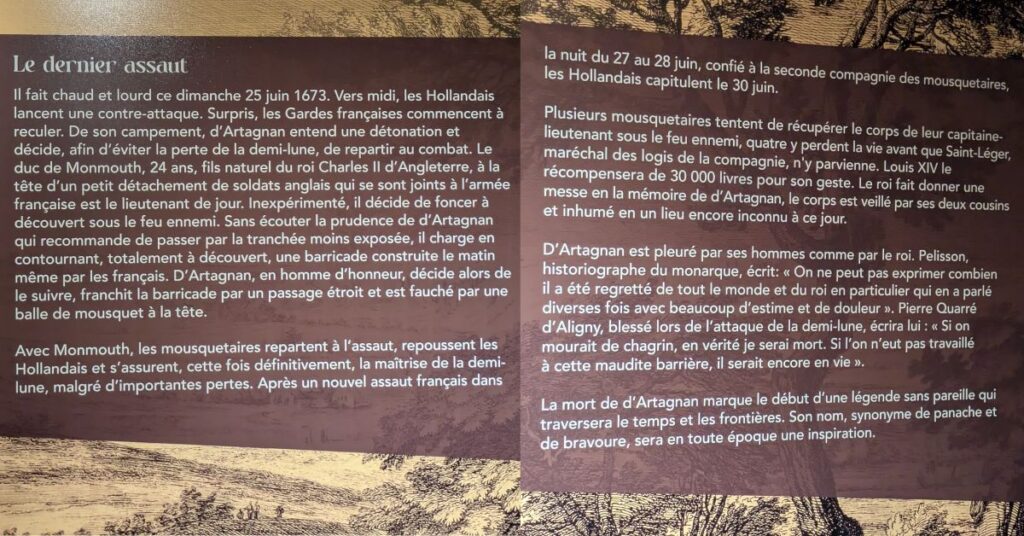
Fast-forward 353 years. In February 2026, church workers noticed the floor subsiding and lifted some tiles for repairs. What they found was extraordinary: a grave right in front of where the altar once stood, containing human remains, a French coin minted in 1660, and fragments that may include a lead musket ball.
The location is striking. According to multiple reports, church deacon Jos Valke remarked, in reference to the belief that d’Artagnan was buried locally in consecrated ground: ‘Under an altar – it couldn’t be much holier than that.’
DNA testing on a jawbone is now underway, with samples being compared to living descendants.
For anyone who loves history, swashbuckling tales or the romance of the past revealing itself, this is thrilling. But for me, it feels almost personal.
In my novel, the myth and reality of d’Artagnan are woven deeply into the narrative. His death in Maastricht is more than a historical footnote – it’s a thread that connects past and present, legend and lived experience. The real man was a loyal, battle-hardened soldier to the Sun King, not quite the hot-headed Gascon youth of The Three Musketeers, yet he carried that same larger-than-life aura.
Now, while I’m deep in drafting scenes that echo his final stand, the ground in Maastricht has literally opened up with this discovery. Moments like this blur the line between history and story, reminding us how thin that boundary truly is.
I’m following the DNA results with great interest. Will science confirm it’s him? Or will d’Artagnan remain gloriously elusive? Either way, the news has already enriched the atmosphere I’m trying to create on the page – the sense that the past is never fully settled, and that our heroes (real or imagined) can still surprise us from beyond the grave.
What do you think – should we hope the remains are his, or is the mystery more romantic? Join my newsletter and let me know. And if you’re curious about how d’Artagnan’s legend threads through my work-in-progress, stay tuned.
Hilary McGrath is an Irish writer living in Gascony, France. She writes about the places, flavours and moments that find their way into her fiction. To hear when a new blog post goes live, join her newsletter here.